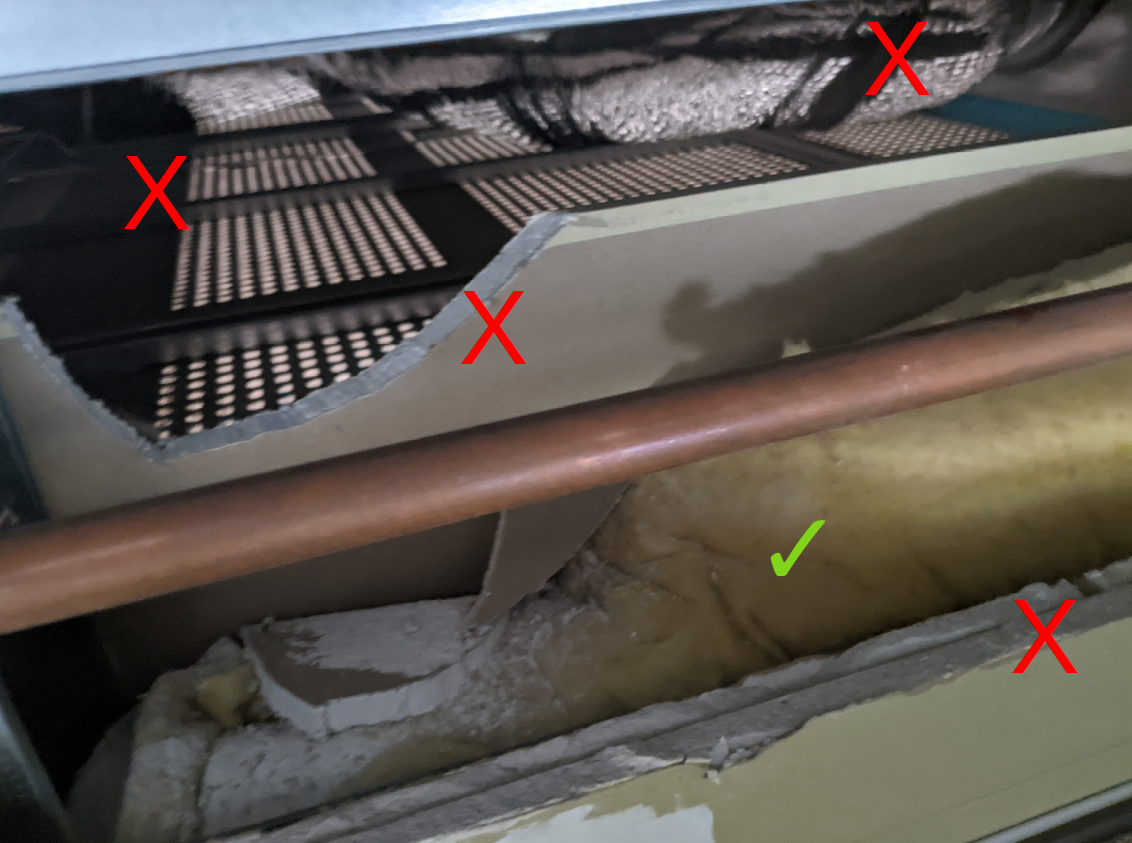
A view from inside the ceiling cavity between two offices
Getting office acoustics right takes more than just putting insulation between walls.
Common mistakes that we see include:
Missing or incorrectly installed insulation above perforated plasterboard ceilings
Walls that should extend full height to the soffit above but are terminated early
Use of non-approved materials that compromise acoustic performance
Inadequate acoustic absorption within the room
Inproper mounting of hydraulic services
Plasterboard of insufficient density, thickness, or layers
Incorrect treatment of penetrations through acoustic partitions
Inappropriate selection of door seals and window systems
Missing acoustic treatments for footfall noise
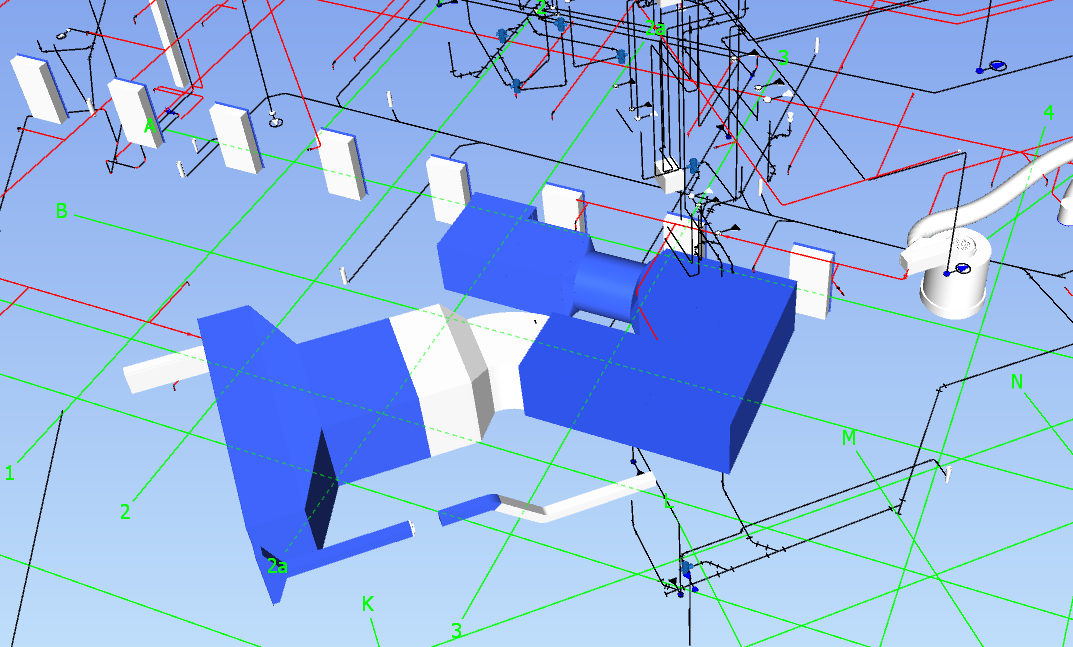
Flexible ducting comprimising acoustic separation between rooms or resulting in excessive mechanical services noise
Acoustic design is only effective when construction faithfully implements the specifications documented in acoustic reports and design drawings. The acoustic performance of building partitions depends critically on proper installation of all components according to design intent. Perforated plasterboard systems, commonly used for reverberation control and aesthetic appeal, require correctly installed insulation in the cavity above and around the perforated surface to achieve target sound absorption and acoustic separation between rooms. Many construction teams focus primarily on structural and mechanical requirements, sometimes overlooking the acoustic detailing that is essential to functionality. The consequences of poor acoustic installation can be severe: excessive reverberation, poor speech intelligibility, inadequate acoustic privacy between sensitive spaces.
During a recent site visit to a sensitive office and conference room facility, an acoustic inspection revealed significant deviations from the approved design. The cavity above the perforated plasterboard was entirely missing its specified insulation material—a critical component that provides the sound absorption. The party wall between the conference room and sensitive office did not extend to full height as specified in the acoustic documentation, instead stopping at the suspended ceiling and leaving acoustic pathways through the plenum space. Additionally, materials used differed from those approved, further compromising expected performance. These deviations resulted in excessive reverberation in the conference room and inadequate acoustic privacy between the two spaces—exactly the problems the original acoustic design was meant to prevent. The detailed inspection, photographic documentation, and corrective work recommendations led to remedial construction that brought the building into compliance with design intent.
This project underscores several critical lessons for achieving acoustic performance in practice. First, acoustic construction inspection and sign-off by qualified personnel is essential—specifications on paper mean nothing if construction does not implement them correctly. Second, contractor coordination and communication about acoustic requirements must occur early and systematically. Third, detailed photographic documentation during construction provides invaluable evidence of compliance or deviation. Fourth, final acoustic testing and verification (such as reverberation time measurements or sound transmission loss testing) confirms that performance targets have been achieved. By integrating acoustic construction oversight into the project lifecycle, we ensure that the acoustic investment is fully realized in the completed building.
Designing noise control for inline fans and HVAC systems
Proper acoustic design is critical when installing heating, ventilation and cooling (HVAC) systems in modern office environments, restaurants, and enclosed carparks. Fan noise above suspended ceilings can significantly impact occupant comfort, productivity, and employee wellbeing. The exhaust of these systems must also comply with the Environmental Protection (Noise) Regulations 1997 at nearby neighbours.
Engaging an acoustic consultant at the design phase of these projects can ensure appropriate selection of inline fans, fan coil units and external condensers or packaged units to meet the Regulations and Australian Standards (e.g., AS 2107) for building occupants. Breakout noise, supply and intake noise paths must all be treated to ensure no weak links in the design.
Such treatments often include specifying minimum lined duct lengths, but some challenging projects - such as those with perforated ceiling systems or no suspended ceilings may require wrapping in loaded vinyl, silencers, relocation, or other specialized acoustic treatments. Typical design levels to be met by these treatments are shown in the table below.
Typical design levels for services noise emission
Location
Design Level, Leq dB(A)
Conference Rooms
30 - 40
General Office Areas
40 - 45
Toilets
50 - 55
Enclosed Carparks
55 - 65
Outdoor Noise Emission
Varies*
* Outdoor noise emission limits depend on the specific site and nearby land uses, but typically require levels below 45 dB(A) at nearby residential properties during the day, and lower levels at night.
Vibration isolation mounts decouple the mechanical equipment from building structures, preventing structure-borne noise transmission. Additionally, acoustic enclosures around mechanical rooms and careful ductwork design with gradual bends rather than sharp turns can substantially reduce noise levels. Building Information Modeling (BIM) integration allows acoustic performance to be analyzed and optimized during the design phase, identifying potential issues before construction begins and ensuring the final system meets design targets.
Real-world projects demonstrate that coordinated acoustic design yields significant benefits. By incorporating noise control measures early in the design process, we've helped clients achieve the target design levels, while maintaining cost efficiency and system performance. The investment in proper acoustic design during construction is far more cost-effective than attempting remedial measures after occupancy, making it an essential consideration for any new project.
Measuring occupational noise exposure using head and torso simulator technology
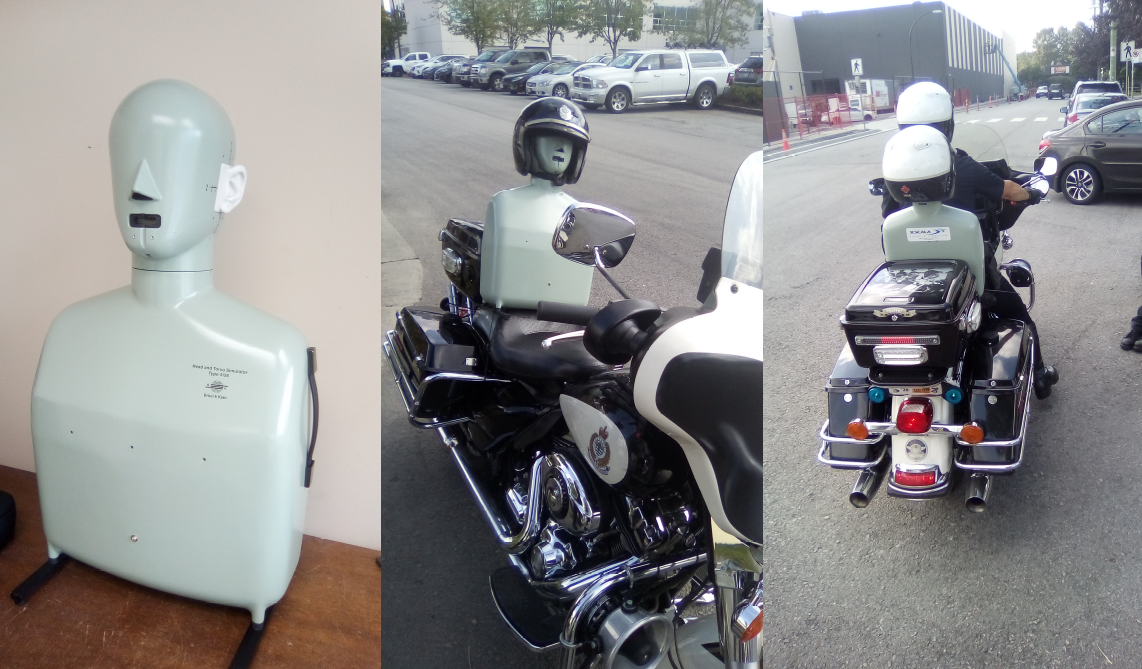
Accurate measurement of occupational noise exposure is essential for protecting worker health and ensuring regulatory compliance. The Head and Torso Simulator (HATS) is an advanced measurement tool that simulates the acoustic characteristics of human hearing, providing realistic data about sound exposure in workplace environments. Motorbike riders represent a unique occupational group facing significant noise challenges, with exposure sources including engine noise, wind noise, tire friction, and road surface sounds. Traditional sound level measurements fail to account for how the human head and torso modify incoming sound, making HATS technology invaluable for assessing true occupational exposure and informing appropriate hearing protection strategies.
The HATS system reproduces the physical characteristics of human anatomy, including the complex acoustic effects of the head, torso, and outer ear. When measuring noise exposure for motorcycle riders, HATS captures how sound behaves as it encounters the rider's head and helmet, providing frequency-weighted measurements that accurately reflect what the worker actually experiences. This is particularly important because helmets themselves significantly modify acoustic characteristics, with different helmet designs offering varying levels of noise attenuation. Using HATS, we can measure the efficacy of different hearing protection options—including in-helmet communication systems and custom-molded earplugs—in realistic riding conditions, ensuring workers receive protection that actually meets their needs.
Measurements of motorcycle riders have revealed noise exposure levels vary depending on riding conditions, speed, and helmet type. These findings inform the selection of appropriate hearing protection and help employers understand their obligations under occupational health and safety regulations. By using HATS technology to conduct thorough assessments, we provide data-driven recommendations that balance hearing protection with situational awareness and communication requirements. This scientific approach to occupational noise measurement ensures that workers can maintain their hearing health while performing their essential duties safely.
How do balconies reduce traffic noise levels inside buildings?
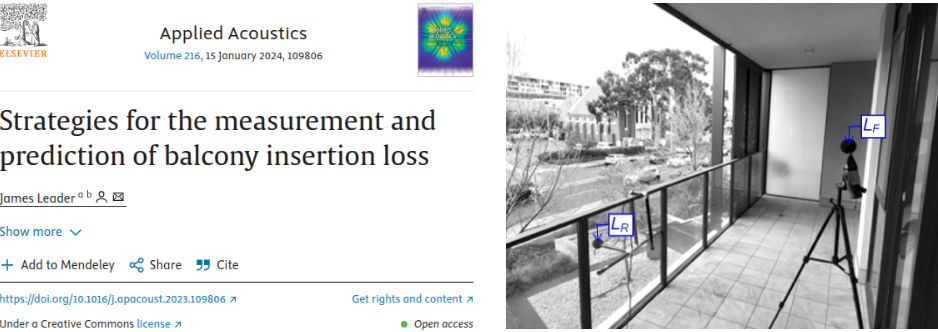
Staff at SMD Acoustics have conducted peer-reviewed research published in the journal Applied Acoustics. The publication addresses a critical challenge in building acoustics: accurately measuring and predicting how balconies affect noise levels inside apartments and offices exposed to road or rail noise.
We have observed other consultants typically do one of the following when assessing road noise in an State Planning Policy 5.4 (SPP 5.4) Assessment:
Apply correction factors for a balcony in accordance with ISO 12354-3:2017, or
Incorrectly model the balcony with noise mapping software or other calculations which are incapable of capturing the physics involved, or
Ignore the effect of the balcony altogether.
Whilst the ISO 12354-3:2017 standard is well meaning, and correctly identifies that in some situations the presence of a balcony can amplify noise levels rather than attenuate them, it may be innacurate for many real world situations.
Previous research involving scale models of balconies has measured insertion loss values (change in noise levels with the balcony present compared to without the balcony) which are different to the standard. The missing link between the two is a methodology to translate measurements on the external building facade to those inside the room - and an understanding of how the insertion loss varies with sound frequencies.
This research gap motivated a comprehensive investigation combining in situ field measurements, theoretical modeling, and comparison with scale model experiments. The research introduced novel measurement techniques incorporating coherence and geometrical spreading corrections to account for sound behavior near reflective surfaces, enabling accurate measurements with standard equipment. These practical techniques allow acoustic measurements to be conducted at close proximity to building facades, improving measurement reliability and reducing field work duration.
A mathematical formula was developed to predict balcony insertion loss across the full height of building facades, accounting for direct sound, ceiling-reflected sound, diffraction around the balcony, and reverberant sound fields. The formula's predictions were validated against both the in situ measurements and published scale model experimental data across a wide range of balcony configurations and traffic noise source positions. The research demonstrates that balcony insertion loss measured on external facades is typically higher than that experienced inside rooms due to the frequency-dependent performance of window glazing. This finding is particularly important for design purposes, as effective noise control must account for how different frequencies are attenuated by the complete facade system. The publication provides acoustic consultants with science-based methods to design balcony configurations that effectively meet interior noise targets for building occupants.
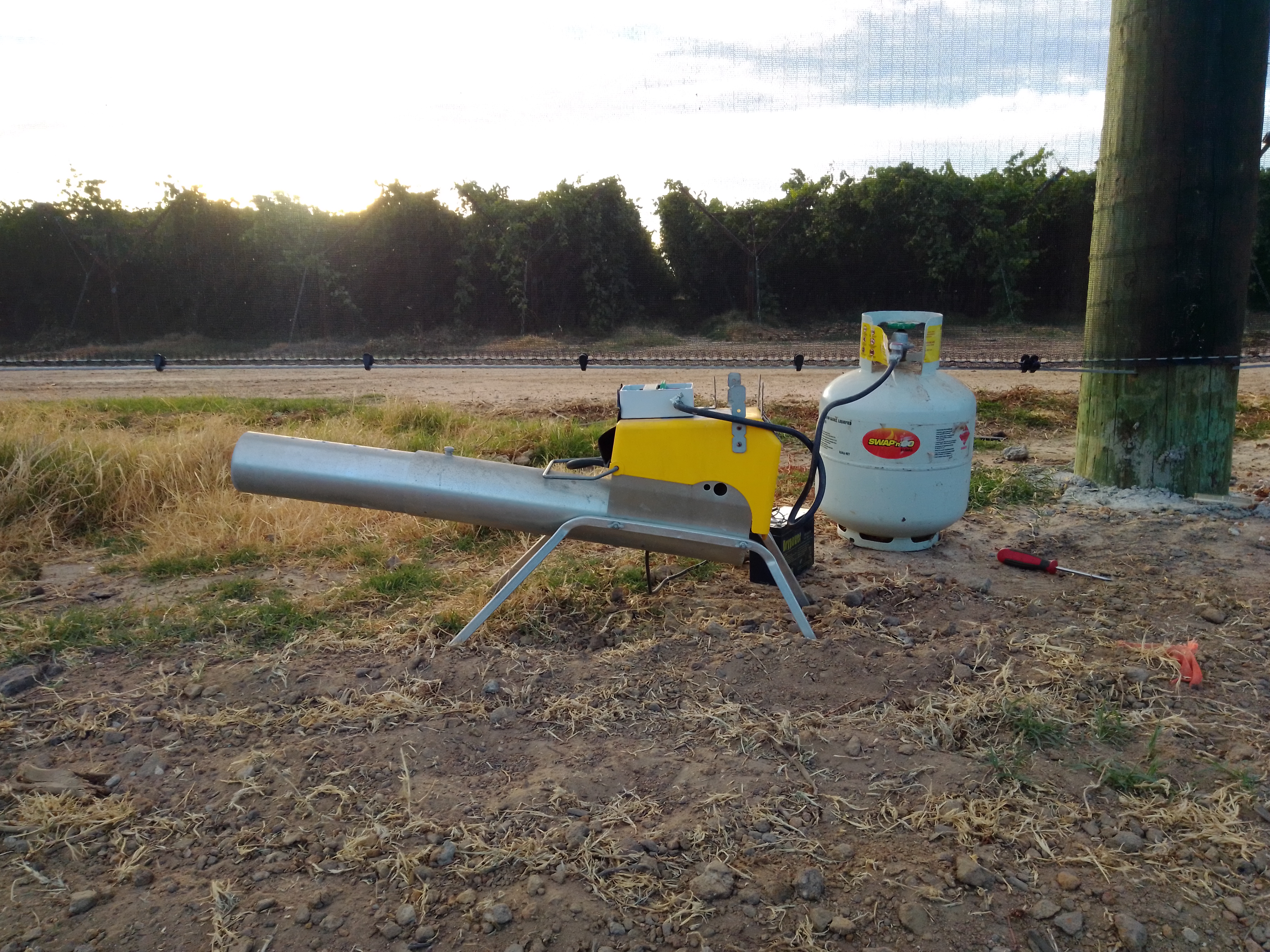
Agricultural operations often employ noise-generating equipment such as gas cannons to protect valuable crops from bird damage. These devices produce loud, impulsive noise to startle birds away, but the sound propagates across surrounding farmland, potentially affecting the acoustic environment of neighboring properties. Assessment of environmental noise emission from such equipment requires specialized understanding of sound propagation characteristics in diverse farm environments, where terrain, vegetation, and atmospheric conditions create complex acoustic scenarios. Wind conditions significantly affect sound propagation to neighboring residences, with downwind conditions potentially carrying noise much farther than upwind scenarios. Accurate assessment must account for these meteorological variables to predict realistic worst-case noise levels that neighbors may experience.
Our approach to gas cannon noise assessment employs advanced computer modelling tools following the CONCAWE methodology to predict sound propagation based on measured site conditions and detailed meteorological data. Field measurements are conducted at strategic locations to establish baseline sound levels, then adjusted using predictive models that account for wind speed, wind direction, temperature gradients, and terrain effects. We utilize CONCAWE rather than the ISO 9613-2 standard because CONCAWE provides substantially greater detail in accounting for meteorological conditions—a critical requirement for agricultural noise assessment. While ISO 9613-2 offers a general framework for outdoor sound propagation, it lacks the sophisticated meteorological modeling that CONCAWE employs to accurately capture how varying atmospheric conditions affect sound transmission across farmland. This allows us to account for measurment conditions on site and adjust the predictions to determine the realistic worst-case noise exposure at neighboring properties under unfavorable atmospheric conditions—scenarios that may occur only intermittently but represent the most critical assessment periods. The specificity of CONCAWE methodology provides a scientifically robust, defensible assessment that regulators and neighbors can understand and evaluate.
On the basis of these detailed assessments, we develop comprehensive noise management plans that enable agricultural operations to continue protecting their crops while maintaining acceptable acoustic amenity for neighboring residents. Management strategies may include operational protocols (timing of scaring activities, duration, frequency), equipment modifications (mufflers, directional devices), placement optimization, and coordination with neighbors. These practical solutions balance agricultural productivity and crop protection with regulatory compliance and good neighbor relations, demonstrating that environmental responsibility and farming operations can coexist successfully.